Perched high in the northern mountains of Vietnam, near the border with China, Sapa is a land of awe-inspiring landscapes, rich cultural heritage, and unforgettable trekking adventures. This small mountain town in Lao Cai Province is beloved by travelers for its cool climate, spectacular rice terraces, and the vibrant traditions of ethnic minority groups who call the area home.
Whether you’re chasing misty mountain peaks, exploring tribal villages, or simply breathing in the crisp air while sipping tea, Sapa offers a soul-refreshing escape from the noise of modern life.
1. Where Is Sapa?
Sapa is located approximately 320 km northwest of Hanoi, nestled in the Hoàng Liên Son mountain range, which includes Fansipan, the highest peak in Vietnam. The town sits at an altitude of 1,500 meters (4,900 feet) above sea level, offering a cool, alpine climate year-round.
Travelers can reach Sapa via:
- Sleeper train or express train to Lao Cai, followed by a 1-hour scenic drive to Sapa.
- Express buses or limousine vans directly from Hanoi (around 5–6 hours).
- Private car or motorbike for the adventurous.
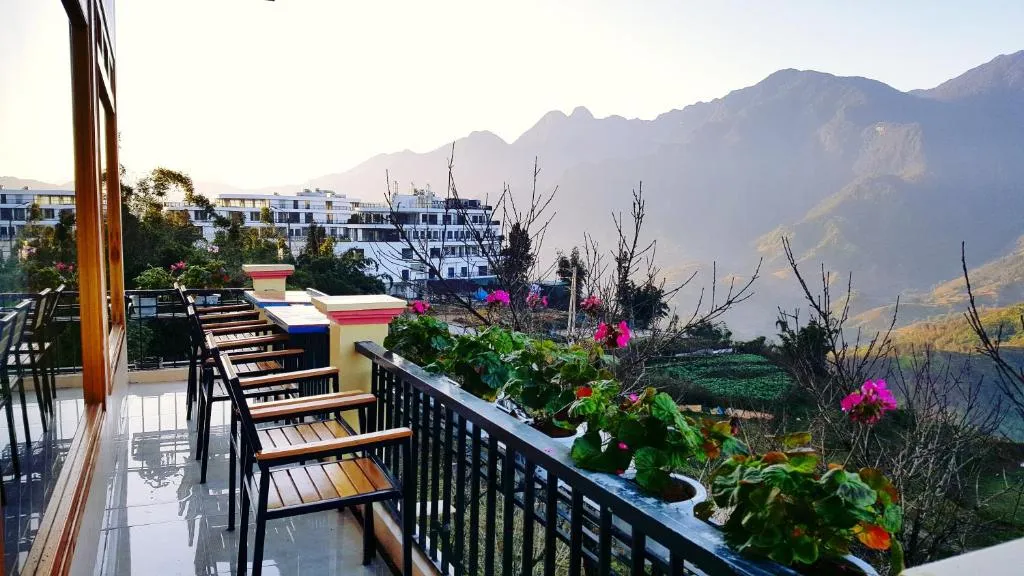
2. A Land of Breathtaking Scenery
Sapa’s landscape is a dramatic canvas of towering mountains, steep valleys, and layered rice terraces that curve around hillsides like green waves. Every season paints Sapa in different colors:
- Spring (March–May): Flowers bloom, skies are clear, and the weather is mild.
- Summer (June–August): Lush green rice terraces dominate the scenery.
- Autumn (September–November): The golden harvest season — arguably the most beautiful time to visit.
- Winter (December–February): Cool to cold, with occasional snow — rare in Vietnam!
Photographers, hikers, and nature lovers will find Sapa to be a paradise of perspectives.
3. Meet the People: Ethnic Minority Communities
Sapa is home to a diverse mix of ethnic minority groups, including the Hmong, Dao (Yao), Tay, Giay, and Xa Pho. These communities have lived in the mountains for centuries, maintaining unique languages, clothing, customs, and agricultural practices.
The Hmong and Dao are the most visible and recognizable — especially the women, dressed in colorful hand-embroidered garments and silver jewelry, selling handicrafts or offering guided treks.
Cultural highlights include:
- Visiting traditional villages such as Lao Chai, Ta Van, Cat Cat, and Ta Phin.
- Experiencing a homestay with a local family: sleep in a wooden house, help prepare meals, and learn about tribal life.
- Observing indigo dyeing, weaving, and brocade-making — still practiced by hand.
Exploring Sapa isn’t just about seeing the mountains — it’s about meeting the people who live among them.
4. Trekking and Hiking in Sapa
Sapa is Vietnam’s trekking capital. With trails winding through rice fields, forests, waterfalls, and villages, trekking here is both scenic and culturally immersive.
Popular trekking options:
- Easy treks: 3–5 km walks to nearby villages (Cat Cat, Y Linh Ho, Ma Tra).
- Medium treks: 8–12 km to villages like Lao Chai – Ta Van – Giang Ta Chai.
- Multi-day treks: Stay overnight in homestays and hike deeper into remote areas like Ban Ho, Nam Cang, or Sin Chai.
- Fansipan climb: The ultimate challenge — a 2-day hike (or take the cable car).
Trekking guides from local minority communities add depth to the journey, sharing stories and insights about the land and people.
5. Fansipan: The Roof of Indochina
At 3,147 meters (10,326 ft), Fansipan is the tallest mountain in Vietnam and all of Indochina. It’s a bucket-list destination for adventurers and nature lovers.
Ways to experience Fansipan:
- Cable Car: Opened in 2016, the Fansipan Legend cable car holds world records and takes visitors from the base station to the summit in about 15 minutes — a thrilling ride with panoramic views.
- Hiking: Trekking to the summit is still an option for experienced hikers (requires a guide and good fitness).
- Summit complex: At the top, visitors find giant Buddha statues, pagodas, and a stunning viewpoint — above the clouds on most days.
Whether you ride or hike, standing atop Fansipan is a highlight of any Sapa trip.
6. Local Markets and Flavors
Sapa’s ethnic diversity and mountain produce make it a great place to sample regional food and explore vibrant local markets.
What to try:
- Thắng cố: A traditional Hmong stew (often with horse meat — adventurous only!).
- Salmon and sturgeon hotpot: Thanks to the cool climate, fish farms thrive in the area.
- Grilled meats and vegetables: Sold at street stalls, perfect on a chilly evening.
- Corn wine (rượu ngô): A local spirit made from fermented corn.
Markets to visit:
- Sapa Market (in town): A great place for souvenirs and local produce.
- Bac Ha Market (2.5 hours away, Sunday only): The largest ethnic market in the region, full of color, noise, and energy.
- Coc Ly Market (Tuesday): Smaller, more authentic; combines river boat and market experiences.
Markets are more than shopping spots — they’re where cultures meet and life pulses.
7. Best Time to Visit Sapa
Each season in Sapa offers something unique:
- September – November: Golden rice fields and ideal weather.
- March – May: Blooming flowers and clear skies.
- December – February: Cold, misty, and atmospheric (possible snow).
- June – August: Green landscapes but more rain; popular with domestic tourists.
If you want dry weather and fewer crowds, go in spring or autumn.
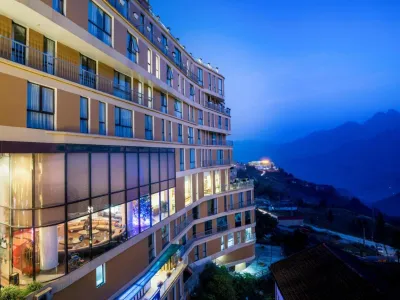
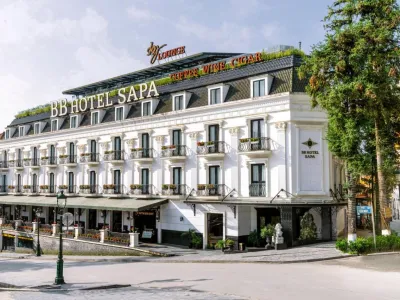
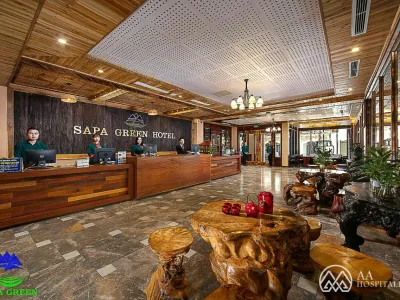
8. Where to Stay
Sapa has accommodations for every taste and budget:
- Homestays: Authentic experiences in villages (e.g., Sapa Clay House, Topas Riverside Lodge).
- Eco-lodges: Like Topas Ecolodge, famous for its mountaintop location and sustainability.
- Boutique hotels and hostels in town for convenience (Sapa Horizon Hotel, Phori’s House, or Fansipan Terrace Cafe & Homestay).
Staying in or near villages offers the most rewarding, immersive experiences.
9. Tips for Visiting Sapa
- Pack for variable weather: It can be sunny, misty, or rainy all in one day.
- Respect local customs: Ask before taking photos, and dress modestly in villages.
- Hire a local guide: They provide cultural insight and income for the community.
- Avoid plastic: Support eco-conscious homestays and bring reusable bottles.
Final Thoughts: Why Sapa is Worth the Journey
Sapa is more than just a destination — it’s a feeling. A place where clouds drift between mountains like whispers of ancient tales, where every step through the rice terraces reveals a new layer of beauty, and where the smiles of local villagers linger long after you leave.
Whether you’re an adventurer seeking mountain peaks, a photographer chasing golden light, or a traveler yearning for real cultural connections, Sapa has something rare and meaningful to offer.
In a world moving too fast, Sapa reminds us to slow down, walk gently, and see more deeply.