Ho Chi Minh City, still affectionately known as Saigon by locals and travelers alike, is Vietnam’s largest and most dynamic metropolis. With over 9 million residents, it is a bustling center of commerce, culture, history, and innovation. From its French colonial architecture to its vibrant street life, and from war-era landmarks to futuristic skyscrapers, Ho Chi Minh City is a fascinating blend of old and new.
Whether you’re a first-time visitor or a returning traveler, this complete travel guide will give you a deeper understanding of the city’s highlights, culture, attractions, and practical travel tips.
A Glimpse into the History of Saigon
Ho Chi Minh City’s history is deeply intertwined with Vietnam’s tumultuous past. Originally a small fishing village known as
Prey Nokor under the Khmer Empire, it became part of Vietnam in the 17th century. The French colonized the area in the mid-19th century, renaming it
Saigon and transforming it into the capital of
French Indochina in the south.
Saigon played a pivotal role during the
Vietnam War and served as the capital of the Republic of Vietnam (South Vietnam) until
April 30, 1975, when the city fell to the North Vietnamese Army. It was later renamed
Ho Chi Minh City in honor of Vietnam’s revolutionary leader, although the name
Saigon is still commonly used to refer to the central districts of the city.
Why Visit Ho Chi Minh City?
1. A City of Energy and Innovation
Ho Chi Minh City never sleeps. Its streets are alive with motorbikes, markets, coffee shops, and creative startups. It’s a hub for entrepreneurs, artists, and young professionals, making it one of the most forward-looking cities in Southeast Asia.
2. Cultural Fusion
The city is a melting pot of cultures: ancient Vietnamese traditions meet French colonial elegance, Chinese heritage, and modern Western influences. This unique blend is visible in its architecture, cuisine, and lifestyle.
3. Historical Significance
With major war-era sites like the
Reunification Palace,
War Remnants Museum, and
Cu Chi Tunnels, the city provides insight into Vietnam’s modern history and struggles for independence.
4. World-Class Cuisine
From humble street food stalls to high-end fusion restaurants, Ho Chi Minh City is a culinary paradise. Don’t miss
pho,
banh mi,
com tam, and
Vietnamese coffee.
Top Things to Do in Ho Chi Minh City
1. Visit the War Remnants Museum
This powerful museum documents the harsh realities of the Vietnam War, with exhibits including photographs, war equipment, and personal stories. While emotional, it’s an important place to understand the country’s history.
2. Explore the Reunification Palace
Formerly known as the Independence Palace, this 1960s government building remains frozen in time, symbolizing the end of the Vietnam War when a North Vietnamese tank crashed through its gates in 1975.
3. Admire Notre-Dame Cathedral Basilica of Saigon
Built in the late 19th century, this beautiful French-built cathedral stands in the heart of District 1 and remains one of Saigon’s most iconic buildings.
4. See the Central Post Office
Designed by Gustave Eiffel (yes, of Eiffel Tower fame), this grand post office features classic French colonial architecture, arched ceilings, and historic maps on the walls.
5. Visit Jade Emperor Pagoda
This Taoist pagoda is one of the most atmospheric spiritual sites in the city, filled with incense, intricate carvings, and mythological figures.
6. Take a Day Trip to Cu Chi Tunnels
Located 60 km northwest of the city, these underground tunnels were used by Viet Cong soldiers during the war. You can crawl through narrow passages and learn about guerrilla warfare tactics.
7. Enjoy Panoramic Views from Bitexco Tower or Landmark 81
For a bird’s-eye view of Saigon’s skyline, head to the sky deck at Bitexco Financial Tower or Landmark 81—the tallest building in Vietnam.
8. Watch a Performance at Saigon Opera House
Also known as the Municipal Theatre, this exquisite French colonial building hosts concerts, ballets, and traditional Vietnamese performances like
A O Show.
Explore the Neighborhoods
District 1 – The City Center
Home to major landmarks, luxury hotels, rooftop bars, and shopping malls, District 1 is the heart of the city. Dong Khoi Street and Nguyen Hue Walking Street are great for exploring on foot.
District 3 – Culture and History
Less touristy but rich in colonial buildings, pagodas, and trendy cafes. Perfect for those seeking a quieter stay without leaving the city.
District 5 (Chinatown – Cholon)
Known for its vibrant markets, Chinese temples, and herbal medicine shops. Visit
Binh Tay Market for a taste of local commerce.
District 2 (Thao Dien)
This expat-friendly area along the Saigon River is filled with international restaurants, craft breweries, and boutique shops.
Food and Drink in Saigon
Vietnamese cuisine is reason enough to visit Ho Chi Minh City. Here are some must-try dishes and drinks:
- Pho – The iconic noodle soup.
- Banh Mi – A crusty baguette sandwich with a mix of meats, vegetables, and sauces.
- Com Tam – Broken rice served with grilled pork and pickled vegetables.
- Goi Cuon – Fresh spring rolls with shrimp, pork, and vermicelli.
- Hu Tieu – A local noodle soup variety often compared to pho.
- Vietnamese Coffee (Ca Phe Sua Da) – Strong, sweet iced coffee made with condensed milk.
- Beer Street (Bui Vien) – Lively at night with budget bars and street food.
Shopping in Ho Chi Minh City
From local markets to high-end malls, Saigon is great for shopping:
- Ben Thanh Market – Iconic market selling souvenirs, clothes, and street food.
- Saigon Square – Bargain shopping for clothes and accessories.
- Vincom Center – A modern shopping mall with global brands.
- Takashimaya – Upscale Japanese department store in the city center.
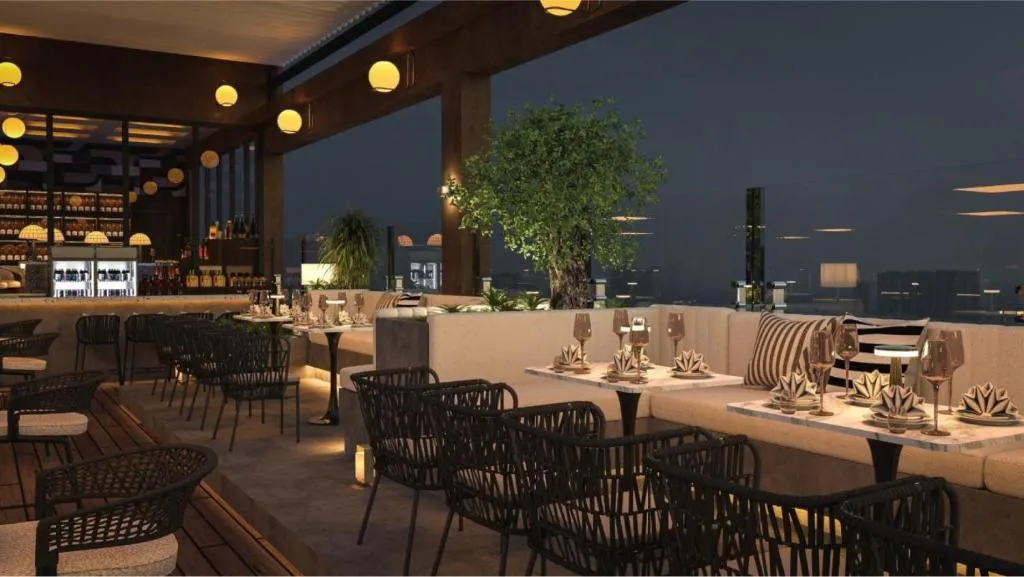
Nightlife in Ho Chi Minh City
Saigon offers a wide variety of nightlife options:
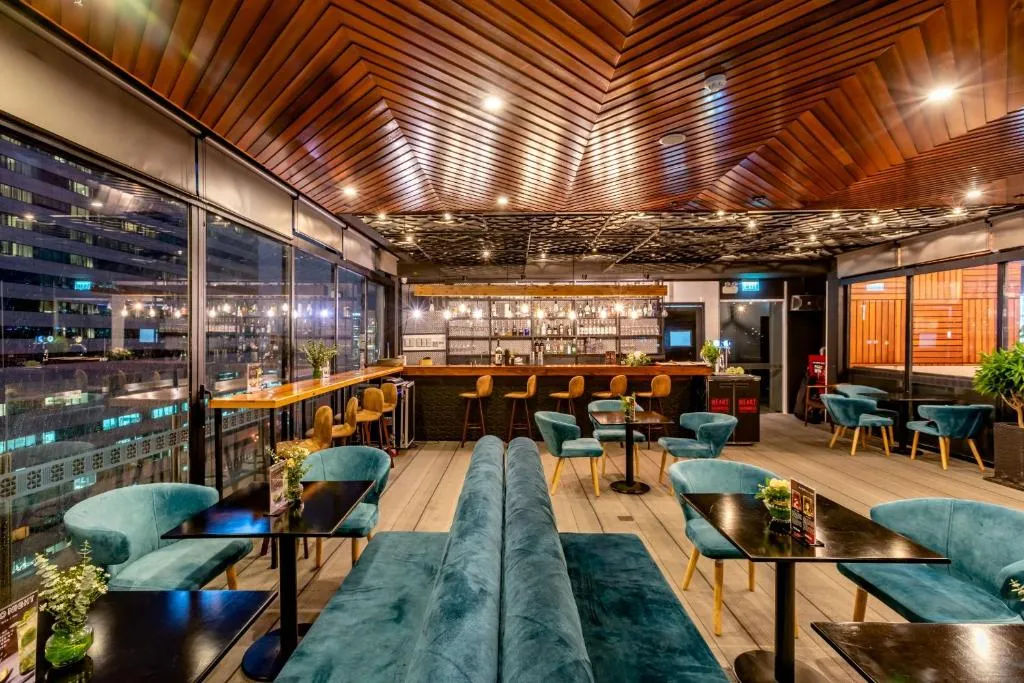
- Rooftop Bars – Chill out at places like Chill Skybar or Saigon Saigon Rooftop Bar with sweeping city views.
- Live Music – Acoustic Bar and Yoko Cafe are favorites for live bands.
- Nightclubs – Head to Lush or Envy for dancing and DJ sets.
- Street Beer & Snacks – Grab a stool on the sidewalk and enjoy “bia hoi” (draft beer) with grilled snacks.
How to Get Around
- Motorbike Taxis (Grab, Gojek) – Fast and convenient for short distances.
- Taxis (Vinasun, Mai Linh) – Reliable and metered.
- Public Bus – Cheap but can be confusing for first-time visitors.
- Walking – Ideal for exploring District 1, but watch out for traffic.
- Cyclo Rides – For a nostalgic experience in the city center.
Best Time to Visit
Ho Chi Minh City has a
tropical climate, with two main seasons:
- Dry Season (December to April) – Best time to visit, with clear skies and low humidity.
- Rainy Season (May to November) – Expect daily afternoon showers, but they usually don’t last long.
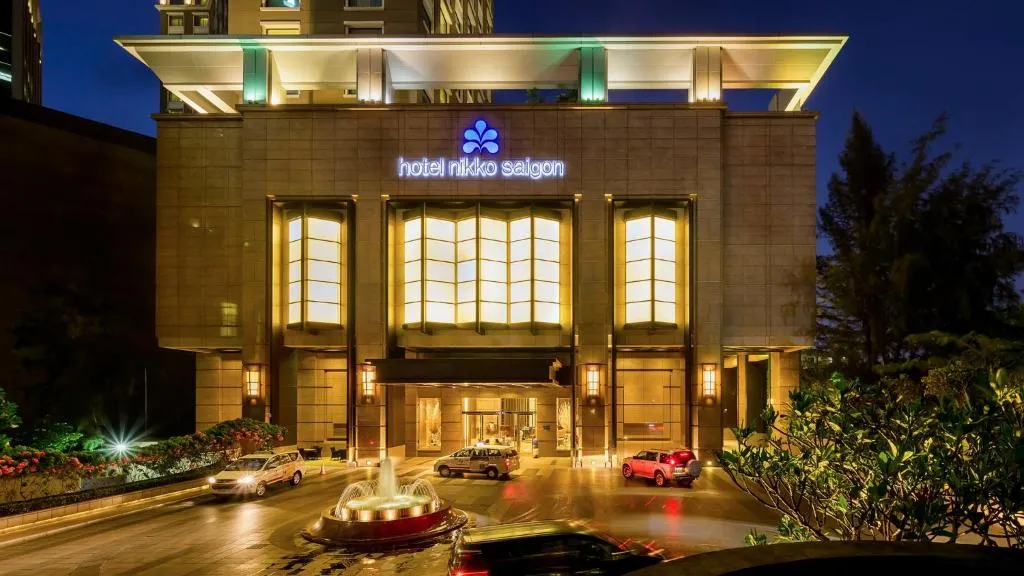
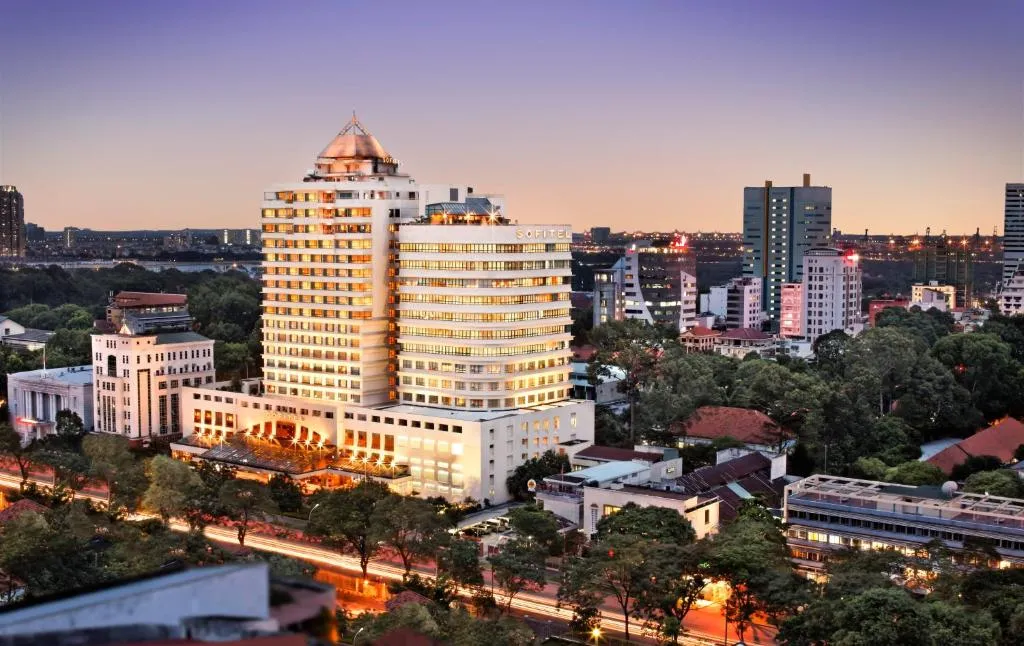
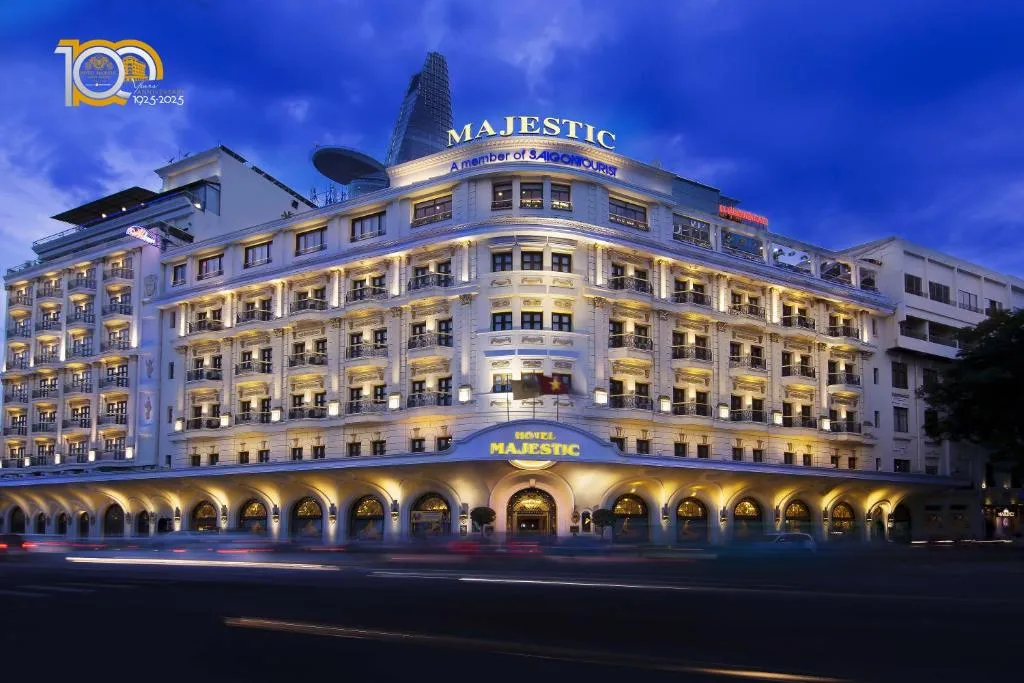
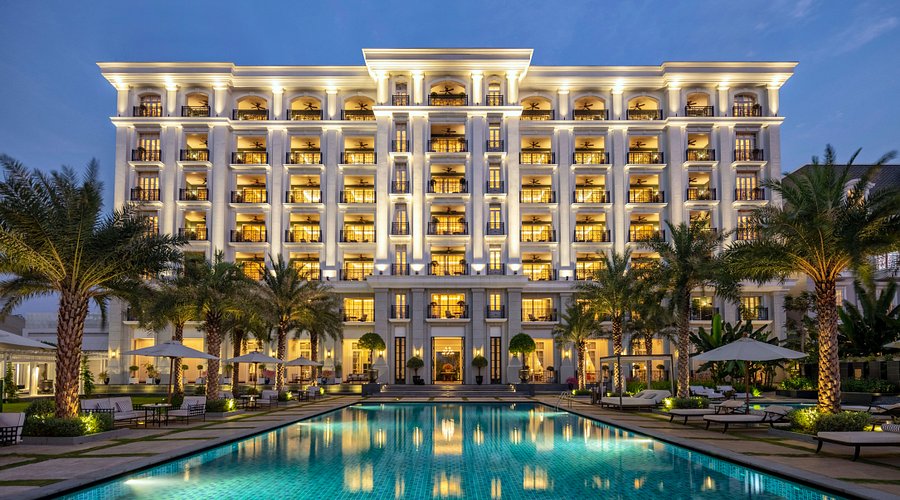
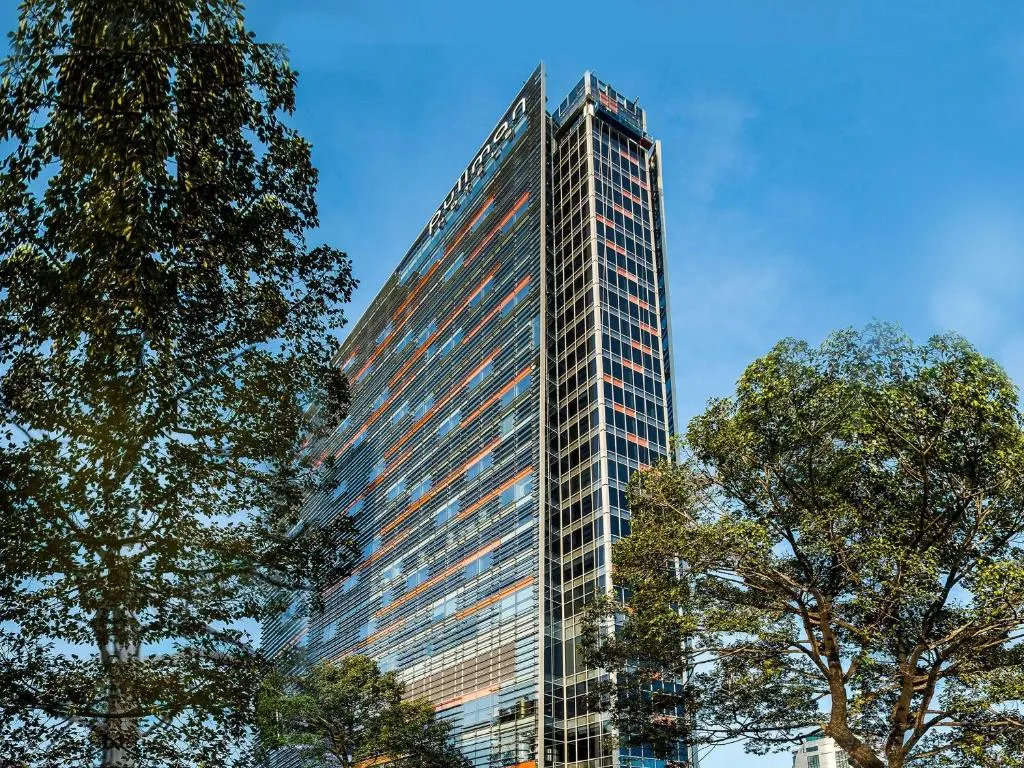
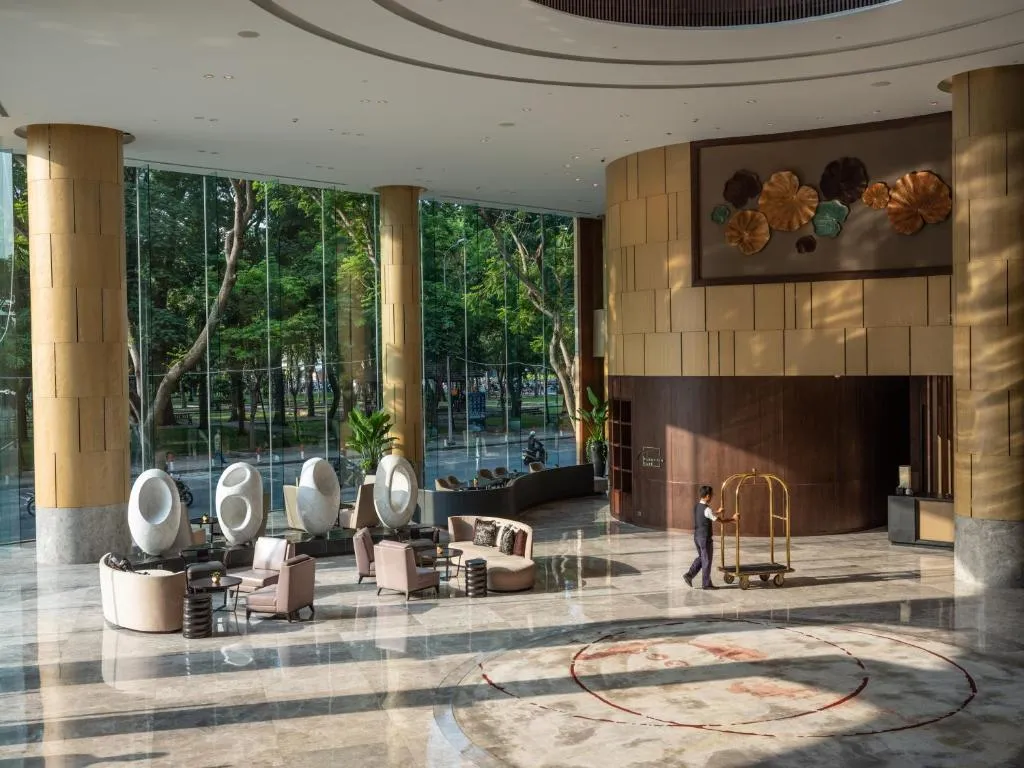
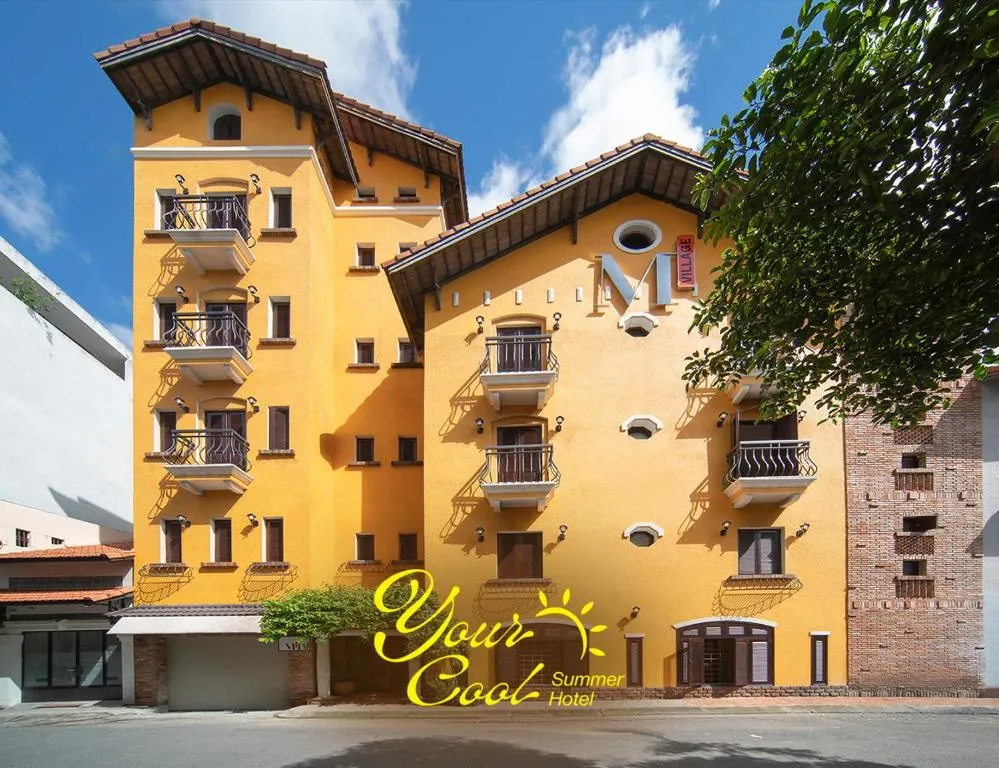
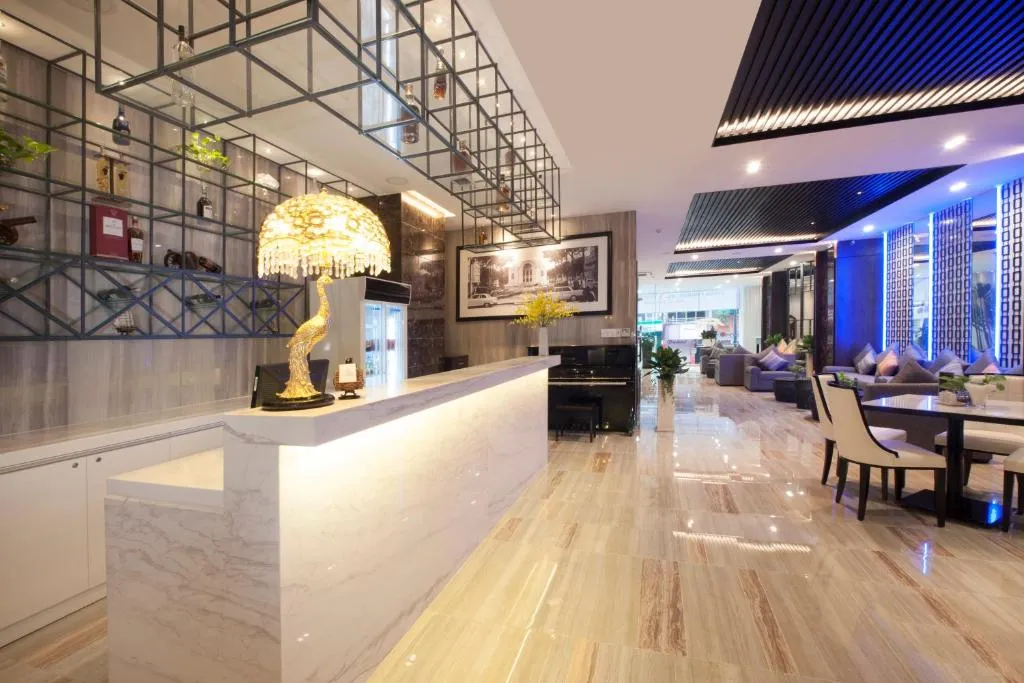
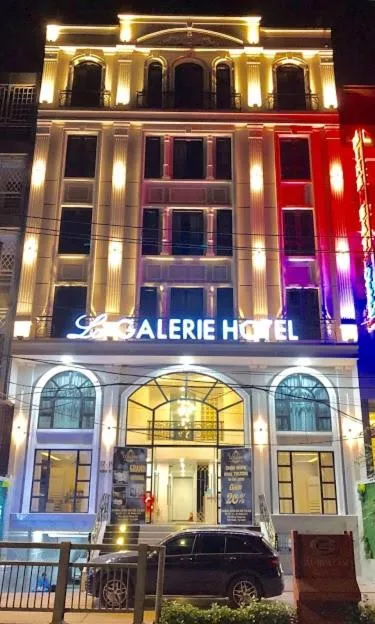
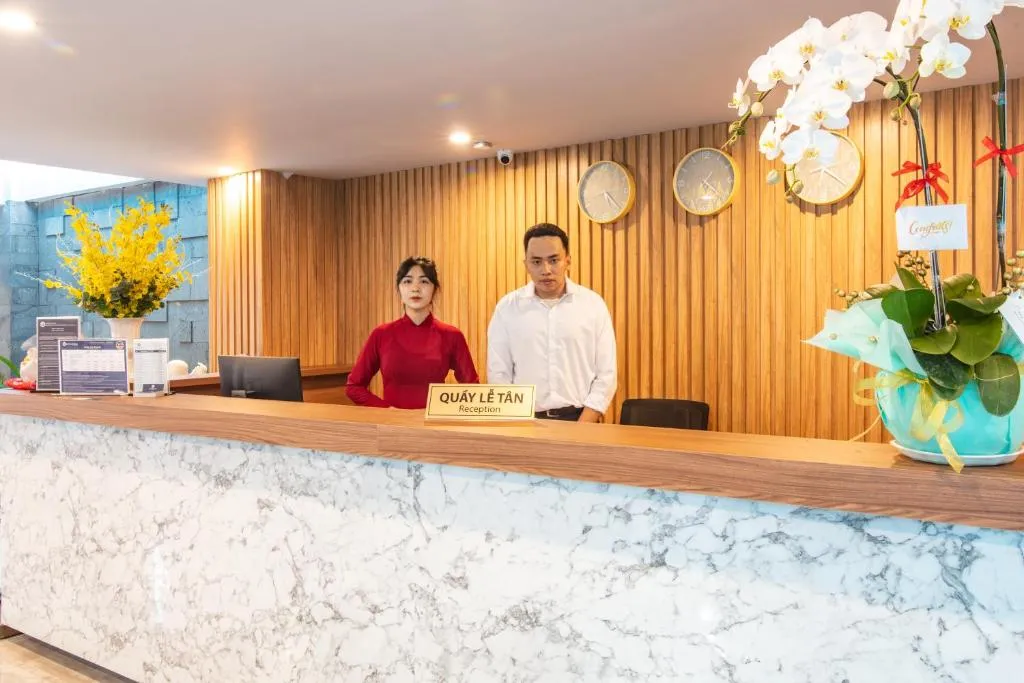
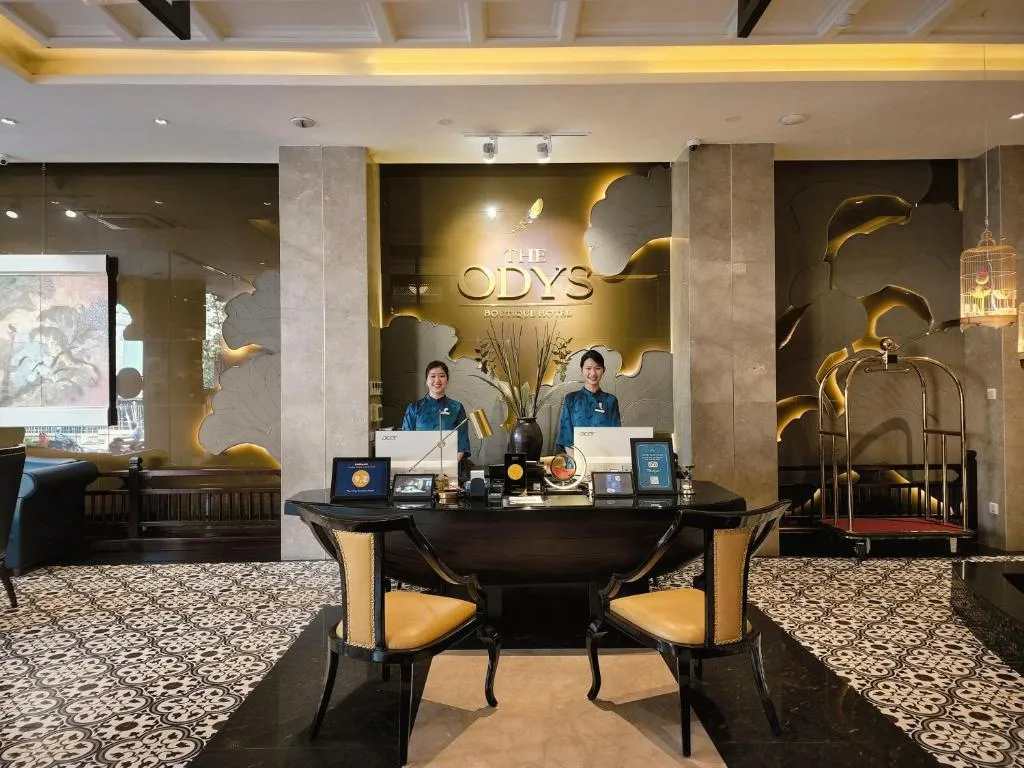
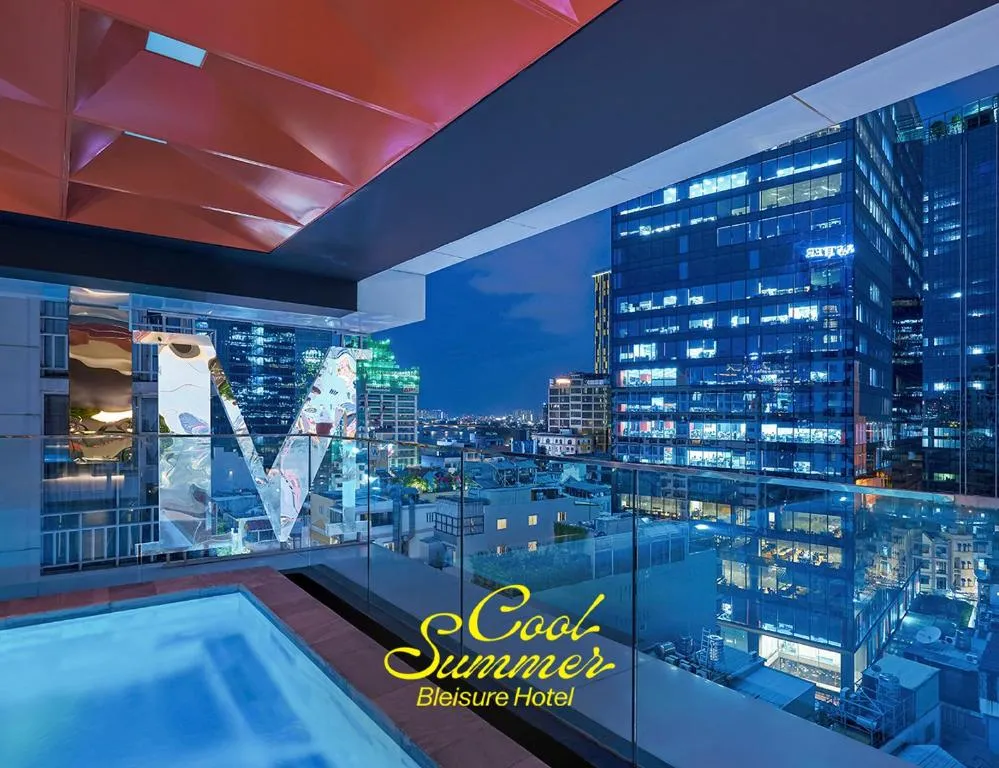
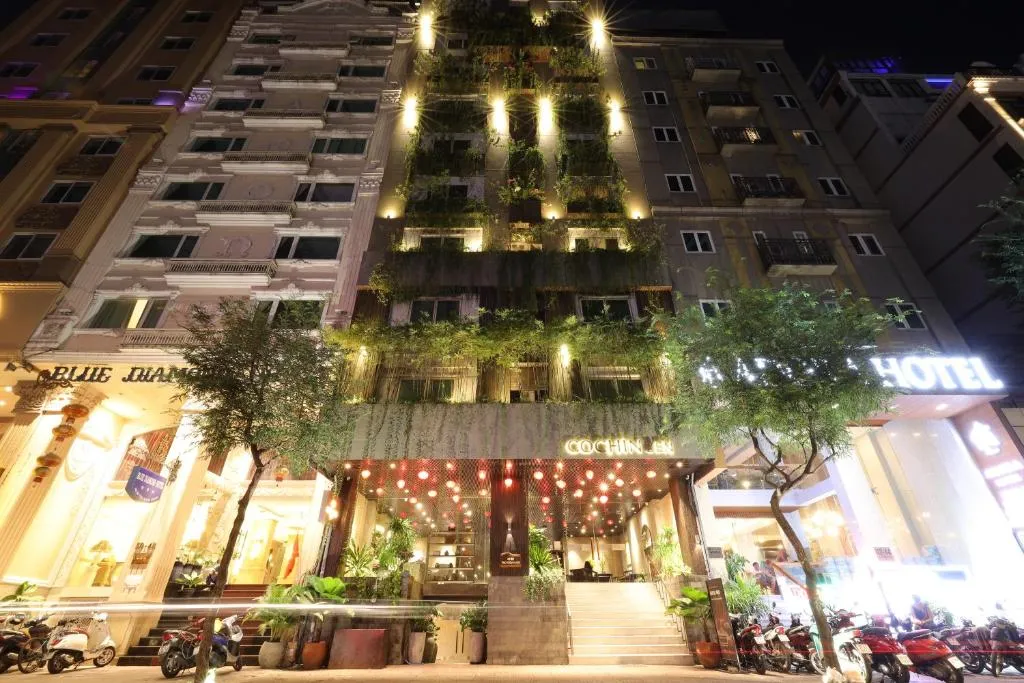
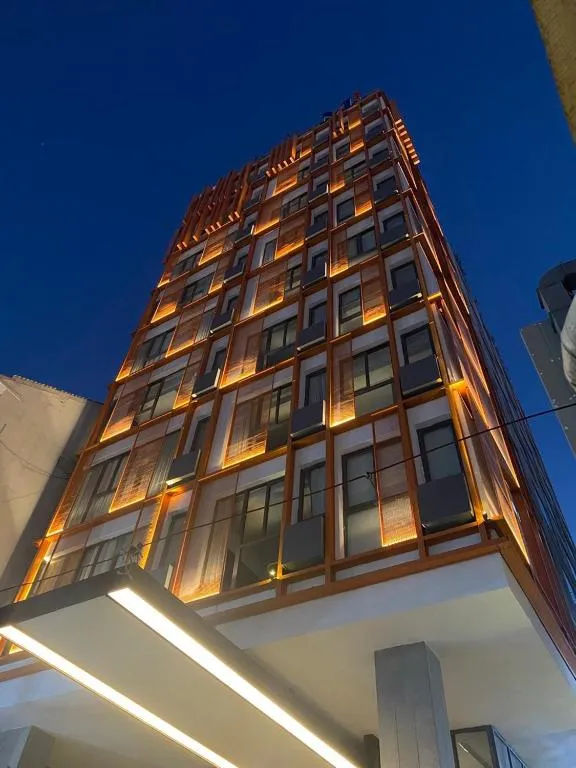
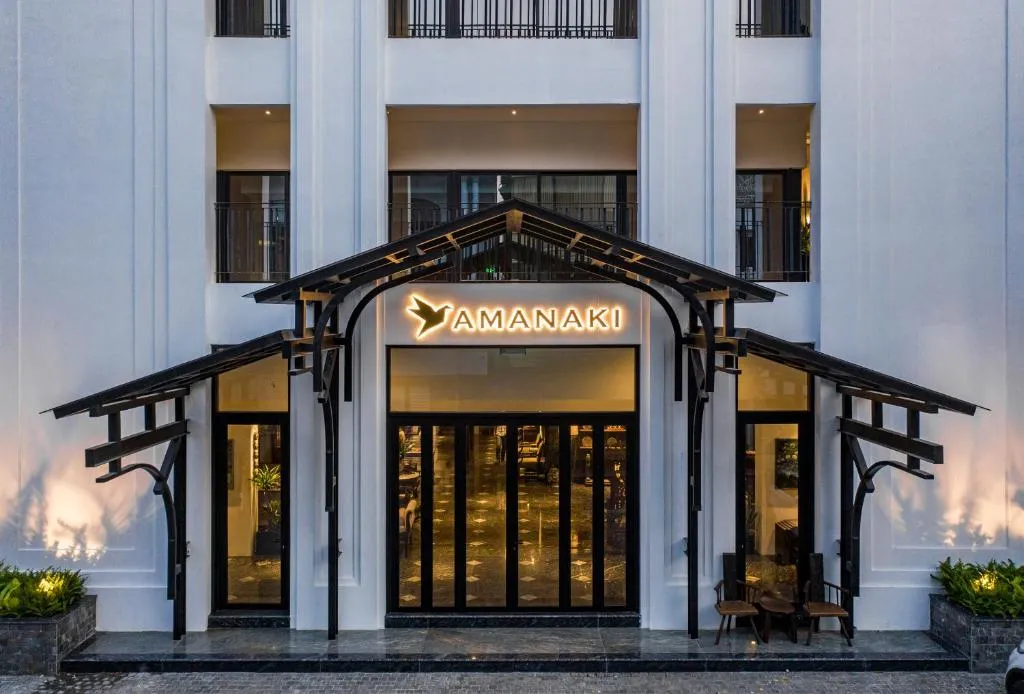
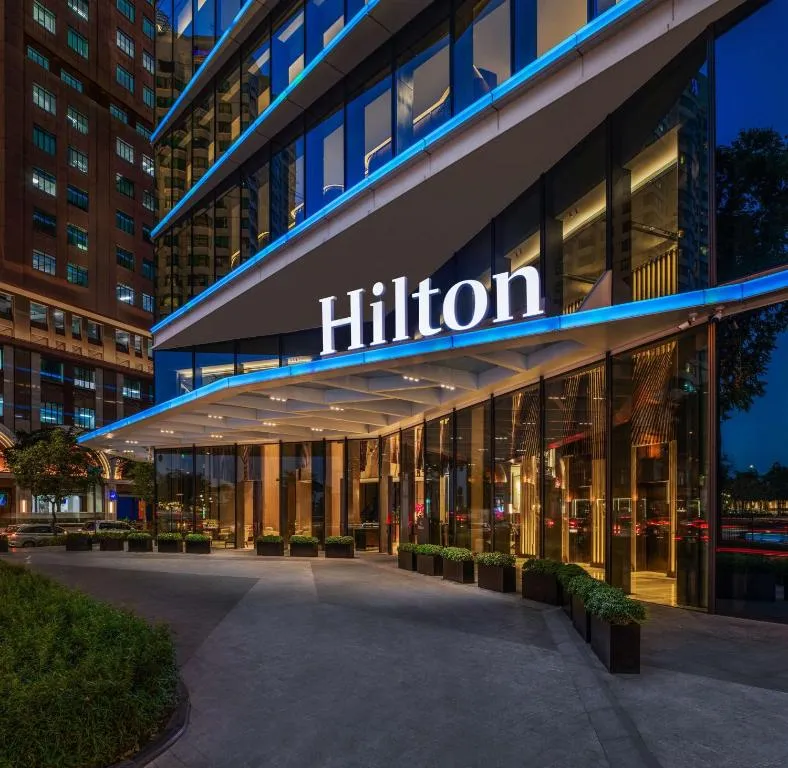
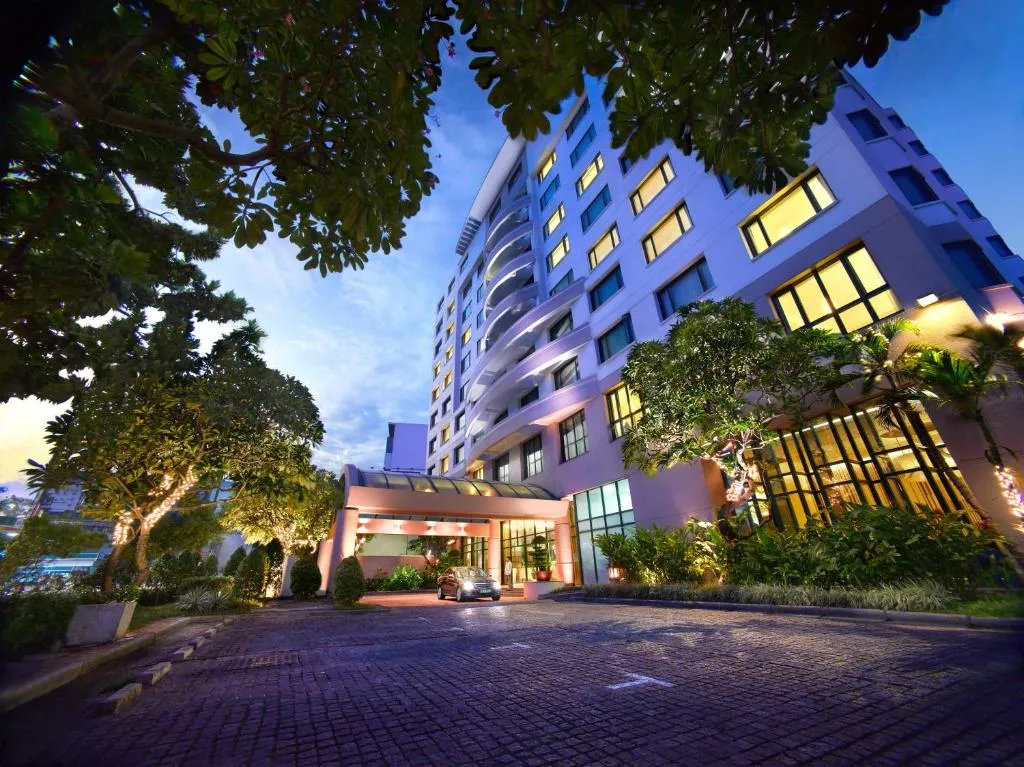
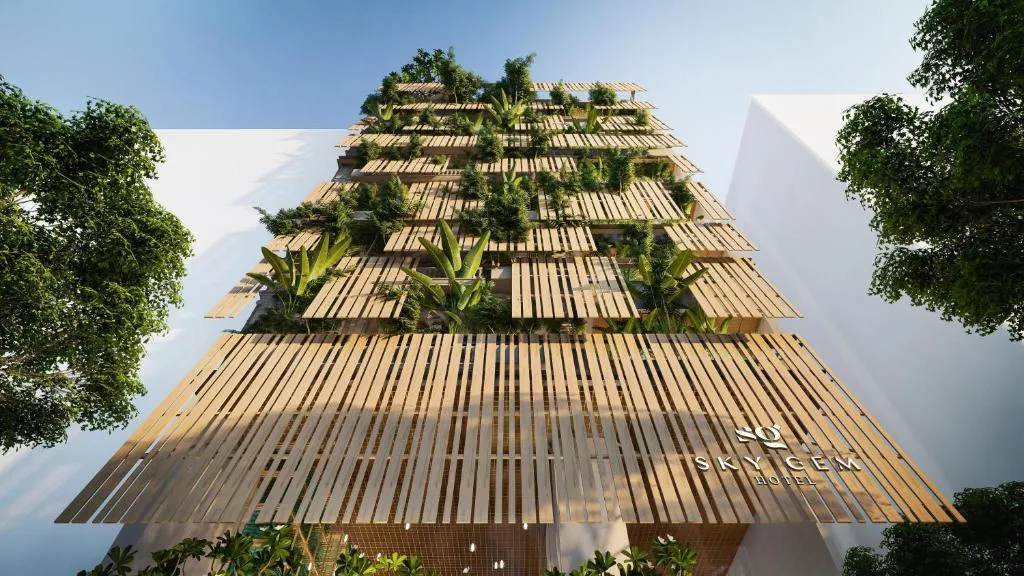
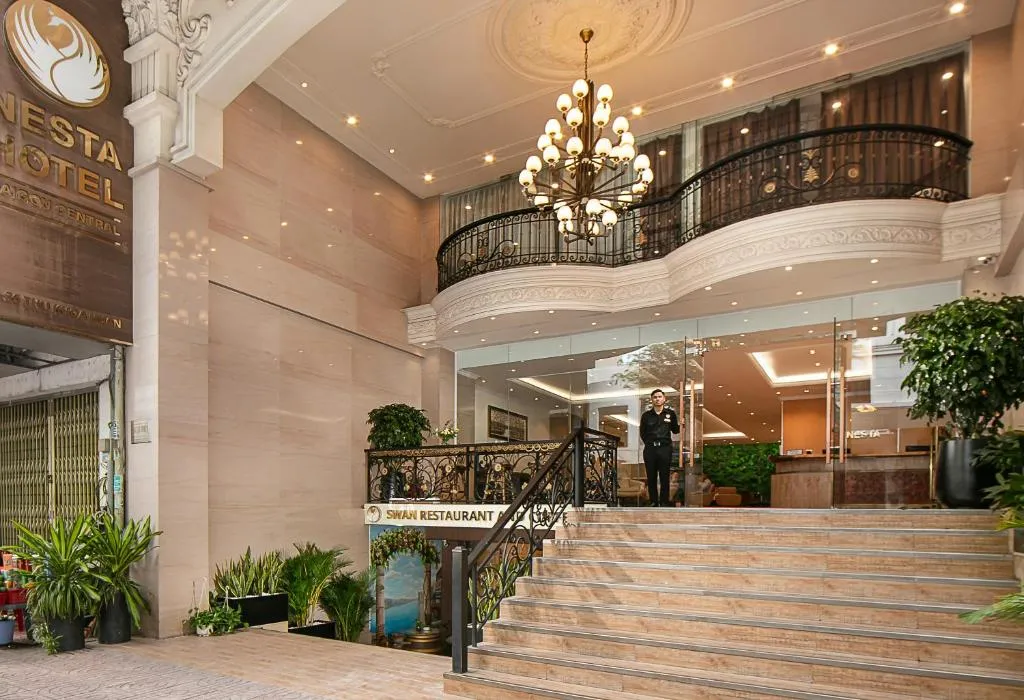
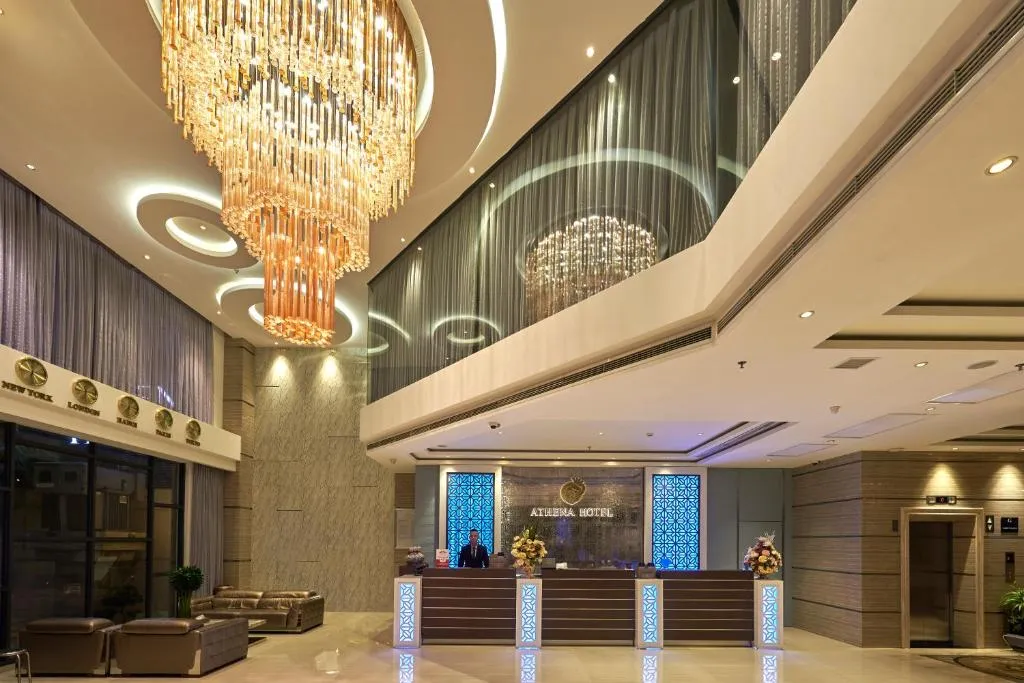
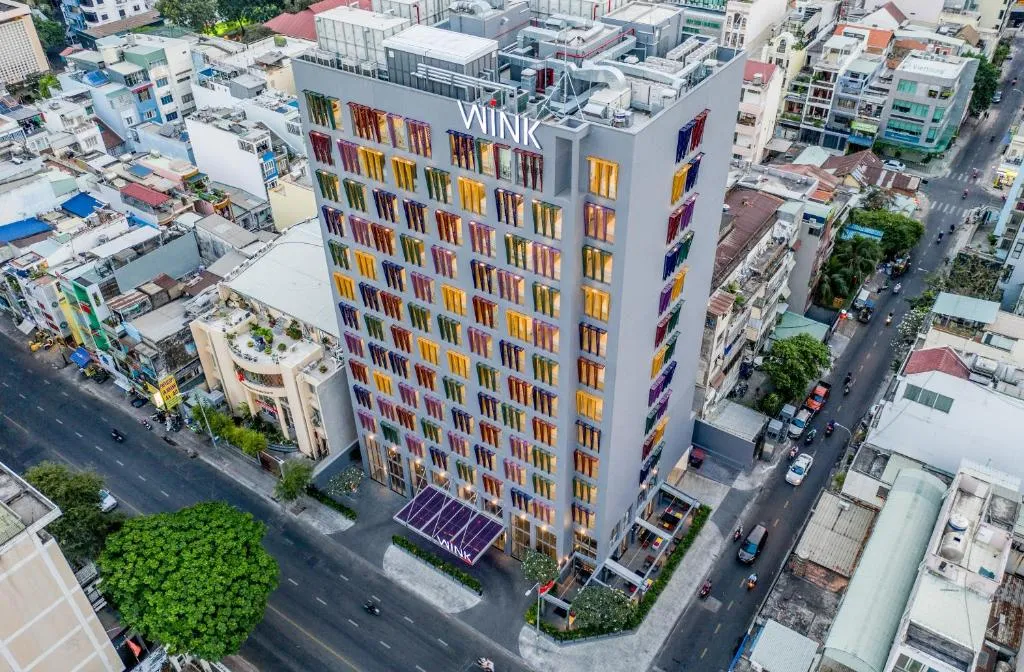
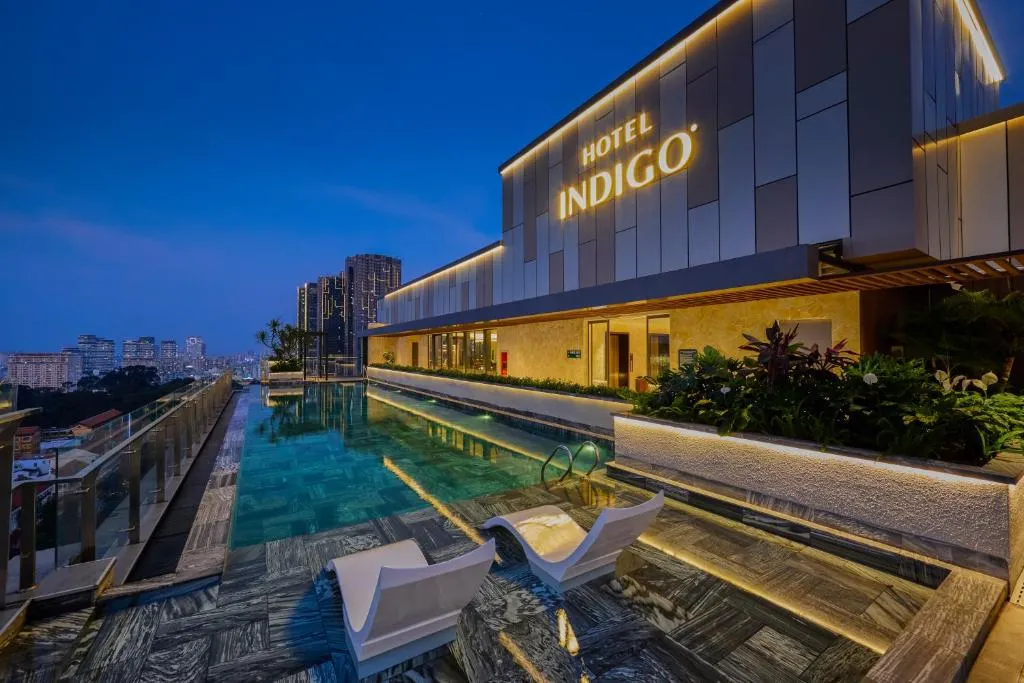
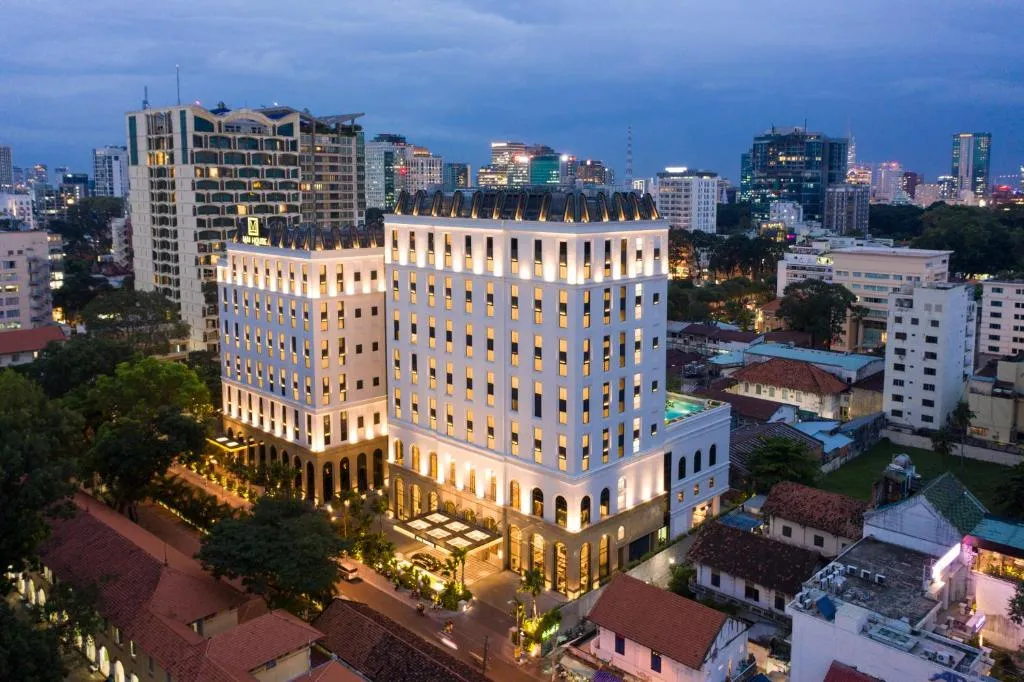
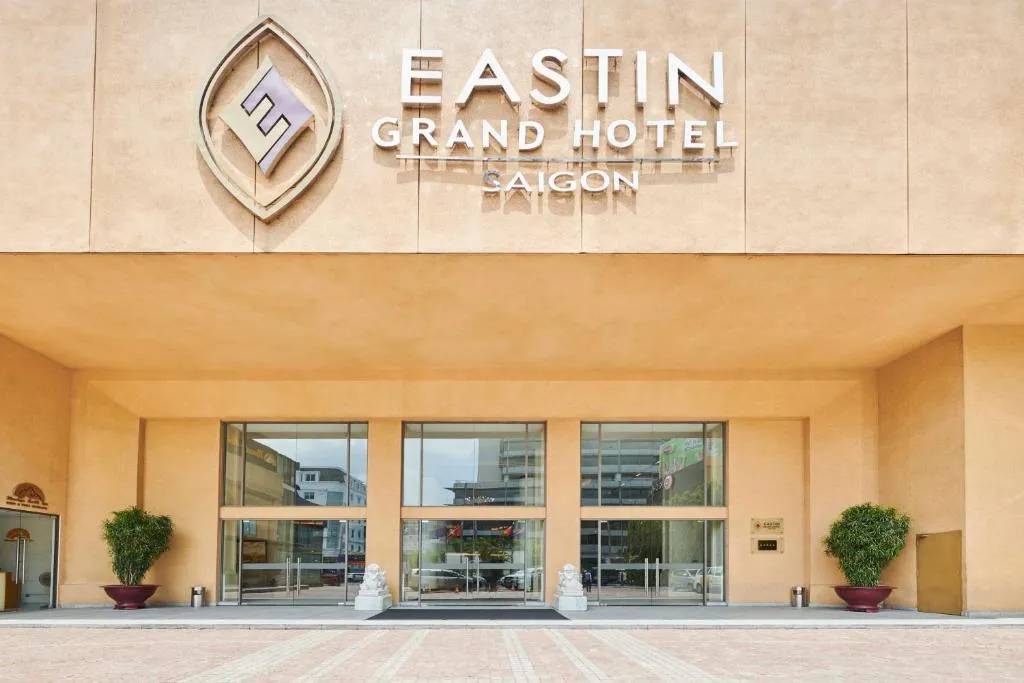
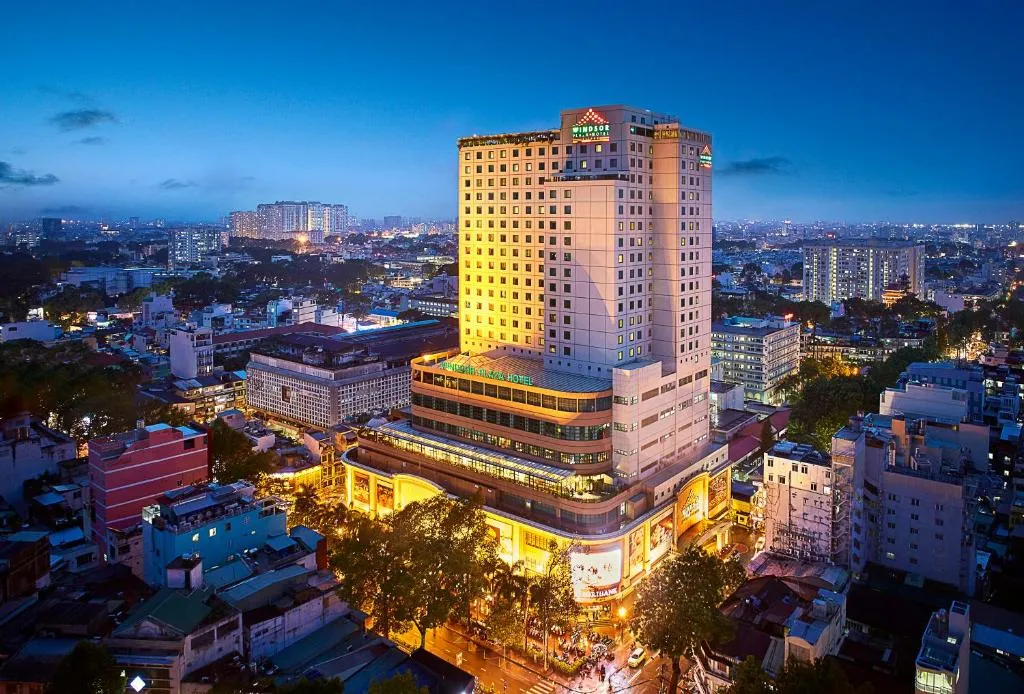
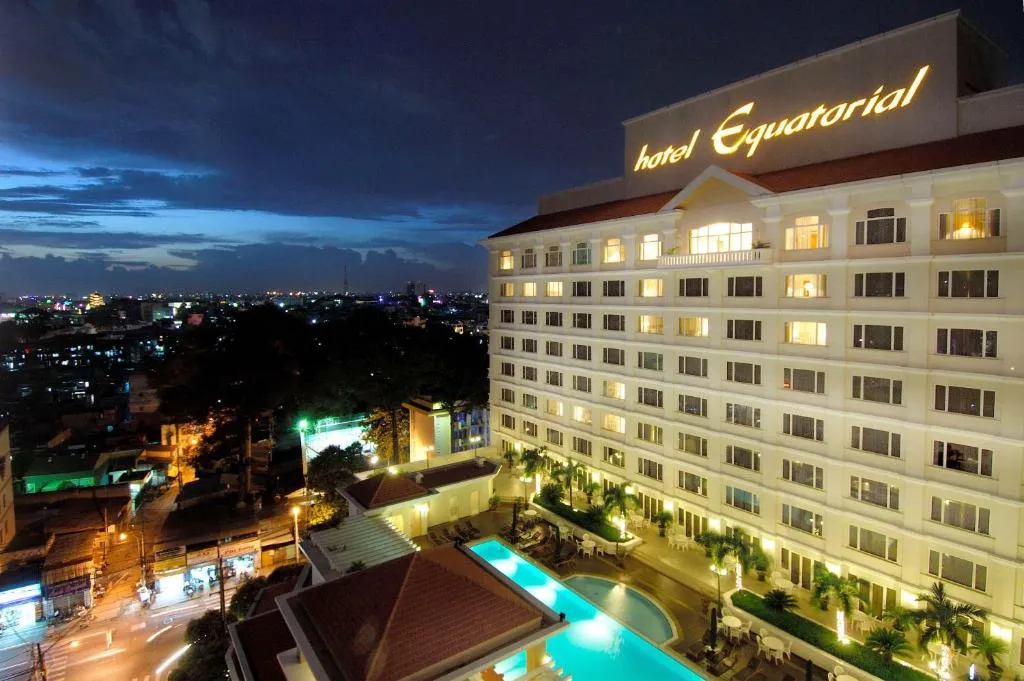
Where to Stay in Ho Chi Minh City
Whether you’re traveling on a budget or looking for luxury, Saigon has it all:
- Luxury: The Reverie Saigon, Park Hyatt Saigon, Caravelle Hotel
- Mid-range: Liberty Central, Silverland Hotels
- Budget: The Common Room Project, The Hideout Hostel
- Homestays & Airbnb: Great for local experiences in Thao Dien or District 3
Tips for Travelers
- Cross the street confidently – Motorbikes will go around you.
- Bargain at markets – Don’t accept the first price.
- Stay hydrated – It’s hot year-round.
- Respect cultural norms – Dress modestly when visiting temples.
- Get a SIM card – 4G is cheap and helps with navigation and Grab.
Final Thoughts
Ho Chi Minh City is more than just Vietnam’s financial capital. It’s a city that pulsates with energy, innovation, and a deep sense of history. Whether you’re here for a few days or a few weeks, Saigon will surprise and captivate you with its contrasts — colonial buildings standing beside glass towers, street food vendors next to gourmet restaurants, and ancient pagodas nestled among modern malls.
It is a city where tradition meets ambition, where every corner tells a story, and where the future of Vietnam is being written in real time.


.jpg)